Why Ignoring Gutter Installation in Hackettstown Can Lead to Costly Repairs
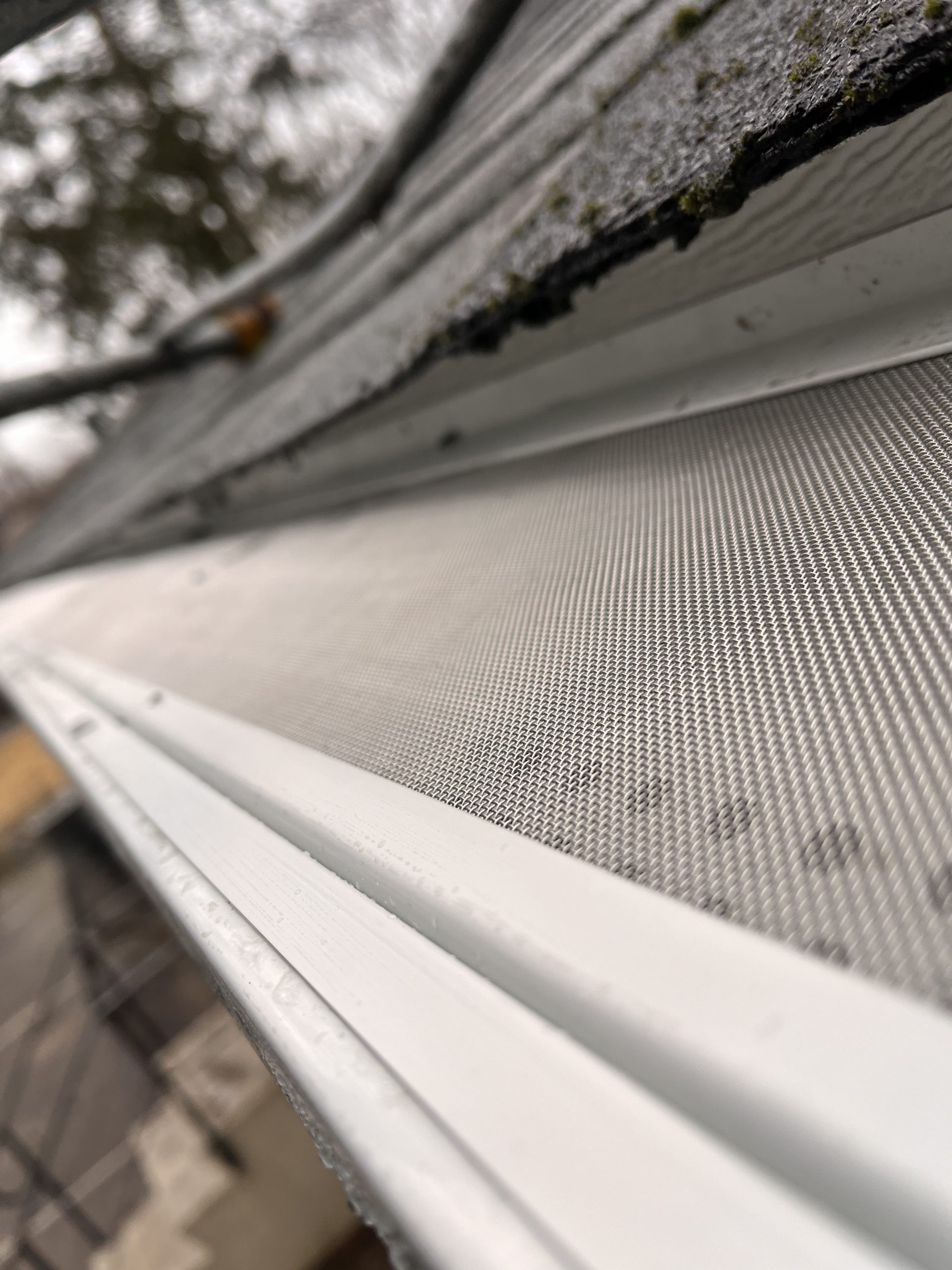

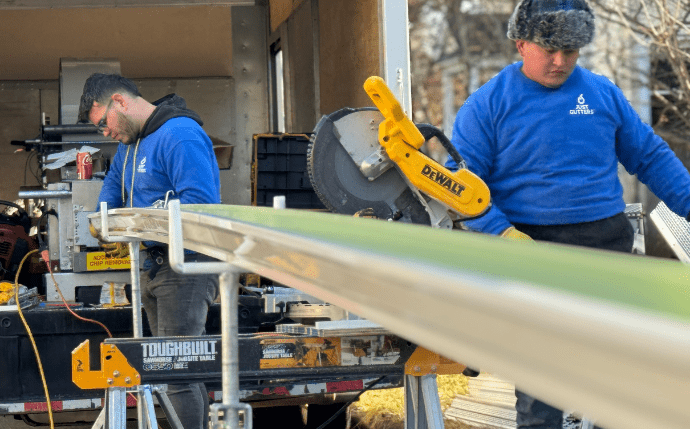
A lot of homeowners treat gutters like trim. They notice them when they sag, overflow, or fall off a fascia board, but not much before that. That is understandable. Gutters sit at the roofline, quietly handling runoff every time it rains, and when they are doing their job well, they almost disappear. The trouble starts when a home in Hackettstown goes without proper gutter installation, or when an old system is patched together long after it should have been replaced.
Water has a habit of finding the weakest point in a house. It works into joints, saturates soil, stains siding, softens wood, and freezes where it should not. Once that cycle begins, repairs tend to spread beyond the gutter line. A relatively straightforward exterior upgrade can turn into rotted fascia, foundation settling, basement moisture, landscape erosion, and mold in concealed spaces. Homeowners are often surprised by the final bill because the original issue seemed so small.
In Hackettstown, where homes see heavy seasonal rain, falling leaves, snow loads, and repeated freeze-thaw cycles, gutter performance matters more than many people realize. Good Gutter Installation is not just about hanging metal along the eaves. It is a drainage strategy. It has to account for roof pitch, valley discharge, local weather patterns, downspout placement, splash control, and the condition of the fascia and soffit it attaches to. If any one of those pieces is overlooked, the whole system underperforms.
Water rarely damages only one thing
The most expensive home repairs often begin with water moving in the wrong direction. When gutters are missing, undersized, improperly pitched, or poorly fastened, runoff spills close to the house instead of being carried away from it. That affects more than the visible exterior.
A common example is soil saturation around the foundation. In a moderate storm, a roof sheds a surprising amount of water. Concentrate that runoff along one wall over the course of a season, and the ground stays consistently wet. Wet soil expands. In colder months, it can freeze and shift. In basements and crawl spaces, moisture begins to appear as musty air, minor seepage at wall joints, or dampness along the slab edge. Homeowners often chase these symptoms from the inside, using dehumidifiers or sealing cracks, when the real problem starts at the roofline.
The same is true for wood rot. When water runs behind a gutter because the drip edge is wrong or the back of the gutter sits too low, fascia boards absorb repeated moisture. Paint peels first. Then the wood softens. By the time someone leans a ladder against it and notices movement, the repair has moved beyond the gutter itself. Now the job includes carpentry, paint prep, and sometimes soffit replacement.
Siding does not escape either. Overflowing gutters leave tiger-striping on aluminum, mildew trails on vinyl, and splashback stains on masonry. If the overflow lands on a deck, patio, or walkway, the wear becomes visible there too. Ice in winter makes it even worse. Water that should have moved through downspouts can freeze at the edge and form dangerous patches right where people step out the door.
Hackettstown weather puts gutter systems to the test
Homes in Hackettstown deal with a mix of conditions that expose weak gutter systems quickly. Summer thunderstorms can drop a large volume of water in a short period. Autumn brings leaves and seed debris that block outlets. Winter adds snow accumulation, ice formation, and expansion in joints and fasteners. Spring often reveals the damage done over the colder months.
This combination is hard on cheap materials and rushed installations. A gutter that looks acceptable in mild weather may fail during the first real storm. Seams open. Hangers pull loose. Water races past a clogged downspout and spills over the front lip. When snow slides from a roof edge, badly braced sections can bend or detach.
That is why Gutter Installation Hackettstown homeowners choose should be based on local conditions, not just lowest price. A house under mature trees may need a different leaf management strategy than an open lot. A steep roof with long slopes may require larger gutters or more downspouts than a smaller ranch. Older homes with irregular rooflines often need more thoughtful water routing than a basic cookie-cutter approach.
It is easy to underestimate how much runoff a roof creates. Even a modest storm can dump hundreds of gallons of water off a residential roof. If the system handling that volume is undersized or interrupted by debris, the overflow is not occasional. It becomes routine.
Poor installation creates hidden problems long before obvious ones
Many homeowners assume a gutter either works or it does not. In practice, failure is often gradual. A poorly installed system may seem fine from the ground, yet still create damage over months or years.
Pitch is one of the most overlooked issues. Gutters need a slight slope toward the downspouts. Too little pitch and water pools. Too much and the gutter line looks crooked, with water rushing too quickly to a single outlet. Standing water does more than attract insects. It adds weight, stresses fasteners, and accelerates corrosion in certain materials.
Downspout placement matters just https://www.google.com/maps?cid=3999183471512401406 as much. If a long run has too few outlets, water backs up during heavy rain. If downspouts discharge too close to the foundation, the gutter may be doing only half the job. Extensions, splash blocks, or underground drains can all help, but they need to fit the grade and drainage pattern of the lot.
Fastening methods also separate durable work from temporary work. Spikes and ferrules were common for years, but they tend to loosen over time, especially where wood has softened or seasonal movement is pronounced. Modern hidden hangers generally hold better and give a cleaner look, but only when they are spaced properly and anchored into sound material.
Then there is the transition from roof to gutter. If shingles overhang too far, water can overshoot the gutter in a hard rain. If they do not extend far enough, runoff may curl behind it. If the drip edge was omitted or installed incorrectly, the fascia becomes vulnerable. These are small details, but they decide whether the system protects the home or quietly damages it.
The foundation repair no one saw coming
Of all the consequences tied to neglected or inadequate gutters, foundation issues are among the most expensive. Not every bad gutter causes structural movement, of course, but the risk rises when roof runoff is allowed to saturate the same perimeter areas again and again.
In parts of Hackettstown, soil conditions and grading patterns can make homes especially sensitive to poor drainage. Water pooling along the base of the foundation creates hydrostatic pressure against below-grade walls. That pressure can force moisture through hairline cracks and joints, especially in older basements. Over time, homeowners may notice efflorescence, peeling paint, damp storage items, or a persistent earthy smell. These are often dismissed as normal basement behavior, but they are clues.
Once water begins entering the basement or crawl space, secondary costs stack up. Flooring gets damaged. Stored belongings are lost. Insulation in rim joists or lower wall cavities can hold moisture. In finished basements, drywall and trim become vulnerable. The irony is that many of these repairs are carried out without correcting the outside drainage first, which means the same problem returns.
A gutter replacement is rarely cheap in the abstract, but it is almost always cheaper than foundation work, waterproofing excavation, or mold remediation. That is the cost comparison homeowners should keep in mind.
Roof edges, fascia, and soffits pay the price first
Before water affects the basement, it often attacks the roof edge assembly. This area includes the fascia board, soffit panels, trim, and the lower edge of the roof deck. When gutters pull away, backflow, or leak at seams, these components take repeated exposure.
Fascia rot is particularly common because it is hidden in plain sight. From the ground, a board can look fine under paint, while the interior face is soft and deteriorating. Installers see this often when removing old gutters. A hanger gives way too easily, or a section comes down with chunks of wet wood attached. At that point, simply rehanging a new gutter is not enough. The substrate itself needs to be rebuilt so the new system has something solid to anchor to.
Soffits can suffer in a different way. Overflowing water may run back toward vented soffit panels, allowing moisture into the attic edge. In winter, ice buildup near the eaves can worsen the problem. That can compromise ventilation and create conditions favorable to mold or insulation degradation. Again, the visible symptom outside is only part of the story.
Landscaping damage is expensive, even when it is not structural
People tend to focus on the house, but neglected gutters can do real damage to everything around it. Overflow channels carve trenches in mulch beds, compact soil, expose roots, and batter foundation plantings. Decorative stone gets scattered. Flower beds wash out. New shrubs struggle because too much water hits one area at once while other areas remain dry.
Hardscaping suffers too. Repeated runoff can undermine paver edges, stain concrete, and create slippery algae growth on shaded walks. In colder weather, water that pools beside driveways or steps becomes a safety issue. A homeowner may not connect that icy patch near the garage to an undersized gutter thirty feet above, but they are often related.
These repairs can be frustrating because they feel cosmetic until the bills add up. Regrading, replacing plants, lifting settled pavers, and cleaning stains all cost time and money. A properly designed drainage system prevents much of that.
Why the cheapest gutter job often becomes the most expensive
Price matters, especially when a home has multiple rooflines or a large footprint. Still, bargain installations carry predictable risks. Contractors trying to hit a very low price may use thinner material, fewer hangers, undersized gutters, or minimal downspout capacity. They may skip fascia repairs, reuse failing drainage paths, or install over existing problems to keep the job moving.
The homeowner gets a lower invoice upfront, but the system may not perform when it matters. That is where experience counts. A seasoned installer looks beyond linear footage. They evaluate concentrated discharge from valleys, roof dimensions, grade around the house, locations where snow slides off, and spots where ladders or tree limbs may stress the system later.
When homeowners search for Gutter Installation Hackettstown services, they should be comparing more than material color and price per foot. The real difference is whether the installer is solving a drainage problem or simply hanging metal.
A well-planned job usually includes discussion of outlet size, downspout routes, extension discharge, gutter guard compatibility if desired, and any carpentry needed before installation. It should also address the practical realities of the property. A historic home in Hackettstown may need a cleaner aesthetic and custom fitting. A newer home with long roof runs may benefit from oversized components in key sections. One-size-fits-all thinking causes failures.
Warning signs homeowners should not ignore
Some problems announce themselves loudly. Others are subtle enough that they get put off for another season. If you notice any of the following, the gutter system deserves attention soon:
- water spilling over the front edge during moderate rain
- gutters pulling away from the fascia or visibly sagging
- peeling paint, stained siding, or dark streaks near the roofline
- pooling water near the foundation after storms
- basement dampness that gets worse during rainy periods
None of these signs proves a full replacement is required, but all of them suggest the current setup is not controlling runoff the way it should.
Repair or replacement depends on the bigger picture
Not every gutter problem calls for a full new system. Sometimes a section has been damaged by a ladder, a single downspout is clogged or crushed, or one corner leaks at a seam that can be repaired. There are cases where resecuring hangers, correcting pitch, or adding an extra outlet meaningfully extends service life.
That said, patching works best when the rest of the system is fundamentally sound. If the gutters are old, full of seams, repeatedly clogging, or attached to rotted fascia, repairs can become a cycle. Homeowners end up paying for service calls every year while the house remains exposed.
A useful way to think about it is this: repair makes sense when the failure is isolated, the materials still have life, and the drainage design is basically correct. Replacement makes sense when age, layout, or repeated overflow suggests the system was never adequate in the first place.
In Hackettstown, older homes often fall into that second category. Many were fitted with gutter systems designed around older roofing, different landscape grades, or minimal maintenance expectations. Add decades of wear and changing weather patterns, and what worked once may no longer be enough.
What proper gutter installation should accomplish
A good installation does not draw attention to itself, but it does a lot of work every time the weather changes. At minimum, it should collect runoff efficiently, move it quickly to downspouts without frequent overflow, and discharge it far enough from the home to protect the foundation and surrounding surfaces.
It should also hold its line through the seasons. That means secure fastening, smart placement, and materials suited to the property. Seamless aluminum is common for a reason. It balances cost, durability, and appearance well for many homes. Copper has a longer lifespan and a distinctive look, but the investment is much higher. Steel is strong, though it can be prone to rust if coatings fail. The right choice depends on budget, architecture, and how long the homeowner plans to stay in the property.
Maintenance matters too. Even the best Gutter Installation needs periodic inspection. Leaves, shingle grit, and branch debris will always test the system. Gutter guards can reduce cleaning frequency in some situations, particularly under heavy tree cover, but they are not maintenance-free. Some work better for pine needles, others for broad leaves, and some complicate roof-edge cleaning if installed poorly. There is no universal best option.
A practical approach for Hackettstown homeowners
For most homes, the smartest move is not to wait for dramatic failure. Evaluate the gutter system before visible interior damage appears. If the house has had recurring drainage issues, ice near entrances, basement dampness after storms, or landscape erosion below eaves, the gutters should be part of the diagnosis.
A solid evaluation should look at more than the gutters themselves. It should include fascia condition, roof edge details, number and location of downspouts, splash patterns on the ground, grading immediately around the foundation, and any signs of prior water intrusion inside. That full picture is what turns a routine exterior service into preventative protection.
Homeowners can also make seasonal checks without climbing onto the roof. Walk the property during or just after a rain. Watch where water exits. Look for overflow, drips at seams, discharge against the foundation, and muddy splash zones below eaves. Sometimes five minutes in a storm tells you more than an hour of dry-weather guessing.
If you are trying to judge whether your current system is protecting the house, focus on outcomes, not appearances. Clean-looking gutters can still be pitched wrong. New sections can still empty in the wrong place. A house in Hackettstown needs more than a cosmetic fix. It needs drainage that works through summer downpours, fall debris, and winter freeze-thaw cycles.
The repairs that follow neglect are rarely isolated
One of the hardest lessons in exterior maintenance is that water damage spreads quietly and bills in layers. First it is a leaking corner. Then a fascia repair. Then soil washout near the foundation. Then dampness in the basement. Then replacement of materials that were never supposed to get wet in the first place.
That chain reaction is exactly why homeowners should take Gutter Installation seriously. The system is simple in concept, but the stakes are high. When it fails, the house does not just get wetter. It becomes more vulnerable at the roofline, around the foundation, and across the surrounding property.
For homeowners considering Gutter Installation Hackettstown contractors, the best value comes from getting the design right early, before water starts rewriting the repair budget. A reliable gutter system will never be the most glamorous upgrade on a property, but few investments do more to keep expensive problems from taking hold.
Just Gutters LLC
Address: 262 Main St, Hackettstown, NJ 07840
Phone number: +12013319454
FAQ About Gutter Installation Hackettstown
Can I install a gutter myself?
Yes, you can install gutters yourself. DIYers typically use aluminum or vinyl sections from home improvement stores. The project requires basic tools, precise measuring, and comfort working on ladders. Key steps include snapping a chalk line for a slight slope (1/4 inch per 10 feet toward downspouts), securing hangers every 2 feet, and caulking all joints securely.
How much does body contouring usually cost?
The Home Depot typically charges between $1,000 and $3,600 for a standard professional gutter installation on a typical single-family home with 200 linear feet of gutters. Calculated on a per-foot basis, the cost usually ranges from $5 to $18 per linear foot, highly dependent on the material you select.
How much does a 40 ft seamless gutter cost?
A 40 ft seamless gutter run will cost between $240 and $1,120+ fully installed, depending on the material you choose. Because seamless gutters require specialized on-site fabrication machines, they are rarely sold as DIY kits and are priced per linear foot.